

In the ever-evolving world of cryptocurrency trading, having the right technical tools at your disposal can significantly enhance your ability to navigate the market effectively. From charting software to indicators that aid in decision-making, leveraging these resources can improve your chances of success. One such resource, which provides valuable insights for traders, is available at Crypto Trading Technical Tools https://www.carlagericke.com/tag/the-good-life/page/5/. In this article, we will delve into the essential crypto trading technical tools that every trader should consider incorporating into their strategy.
Understanding Technical Analysis in Crypto Trading
Technical analysis (TA) is a method used by traders to evaluate and forecast the price movements of cryptocurrencies based on historical price data and market statistics. Unlike fundamental analysis, which assesses the underlying value of an asset, TA primarily focuses on price charts and patterns. It is crucial to understand the basics of TA and how technical trading tools can aid in this analysis.
1. Charting Software
One of the most fundamental tools for any crypto trader is charting software. Platforms such as TradingView, Coinigy, and CryptoCompare offer advanced charting capabilities that allow users to visualize price movements through various chart types, including line, candlestick, and bar charts. These tools often come equipped with a range of customization options, enabling traders to adjust indicators, overlays, and timeframes according to their strategies.
2. Technical Indicators
Technical indicators are mathematical calculations based on price, volume, or open interest of an asset. They help traders identify trends, momentum, and potential reversal points. Some commonly used indicators include:
- Moving Averages (MA): These indicators smooth out price data to identify larger trends over specific periods.
- Relative Strength Index (RSI): This momentum oscillator ranges from 0 to 100 and indicates whether an asset is overbought or oversold.
- Bollinger Bands: These bands consist of a moving average and two standard deviations, providing insights into volatility and potential price movements.
- MACD (Moving Average Convergence Divergence): This indicator highlights relationships between two moving averages, revealing potential buy and sell signals.
3. Trading Bots
In the fast-paced world of crypto trading, executing trades manually can be overwhelming. Trading bots automate the trading process by executing pre-defined strategies on behalf of the trader. Whether it’s market-making, arbitrage, or trend-following strategies, bots can analyze data and execute trades within milliseconds, improving efficiency and profitability. Popular trading bots include 3Commas, Cryptohopper, and HaasOnline.
4. Wallet and Portfolio Trackers
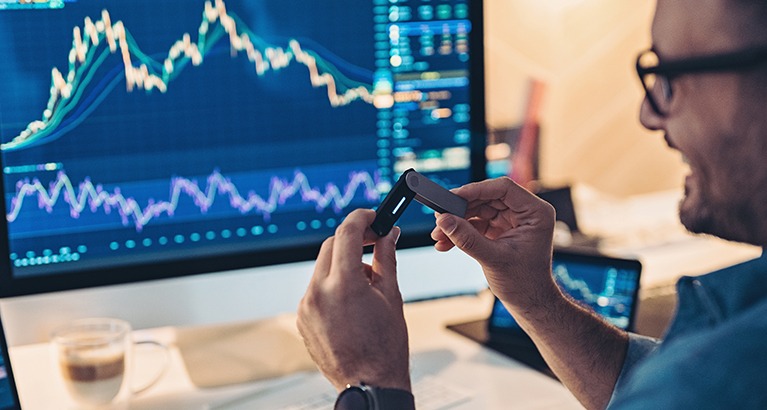
Security and asset management are pivotal in crypto trading. Portfolio trackers, such as Blockfolio and Delta, allow traders to monitor their crypto investments in real-time. These applications help consolidate information about various wallets and exchanges, aiding in tracking overall gains and losses. Additionally, utilizing hardware wallets like Ledger or Trezor ensures the safe storage of cryptographic assets.
5. News Aggregators
The crypto market is heavily influenced by news and events. News aggregators, such as CoinDesk and CryptoPanic, provide traders with real-time updates and analysis of market-moving news. Being aware of news stories ranging from regulatory changes to technological advancements can equip traders with the knowledge needed to adjust their strategies proactively.
6. Order Book Analysis Tools
Understanding market depth is essential for executing trades effectively. Order book analysis tools display live data regarding buy and sell orders, allowing traders to gauge market sentiment. Tools such as Depth Charts and Order Book visualizers offer insights into market liquidity and can help traders identify potential support and resistance levels.

7. Backtesting Tools
Before implementing a new trading strategy, it is important to understand how it would have performed historically. Backtesting tools enable traders to simulate trades based on historical data, helping to refine strategies before risking real capital. Platforms like TradingView and QuantConnect offer options for traders to analyze and optimize their strategies efficiently.
8. Social Trading Platforms
Social trading platforms, such as eToro and ZuluTrade, allow users to engage in copy trading, enabling them to replicate the strategies of successful traders. This approach can be particularly beneficial for beginners who are still learning the ropes of crypto trading. Engaging with a community of traders and sharing insights can foster a culture of learning and growth.
9. Risk Management Tools
Risk management is paramount in trading, especially in the volatile crypto market. Tools like position size calculators and stop-loss order managers help traders minimize risks and protect their capital. By employing techniques such as the Kelly Criterion or the 2% rule, traders can ensure they limit losses and maintain long-term sustainability in their trading practices.
Conclusion
In conclusion, navigating the world of crypto trading requires a solid understanding of technical analysis and the right set of tools to make informed decisions. By utilizing charting software, technical indicators, trading bots, and various other resources, traders can position themselves for success in this dynamic market. As technology continues to evolve, embracing these tools will help traders stay ahead of the curve and adapt to changing market conditions. Whether you are a seasoned trader or just starting, exploring and integrating these crypto trading technical tools can enhance your trading experience and improve your chances of achieving your financial goals.