
However, excessive alcohol consumption can damage the sensitive cells lining the liver, impairing its function. When the liver is not functioning optimally, it affects the body’s ability to stop bleeding and heal wounds, resulting in increased bruising. If you’re concerned about alcohol-induced bruising, there are steps you can take to reduce your risk. Limiting alcohol consumption, staying hydrated, and maintaining a balanced diet rich in vitamin K can help support your body’s ability to clot blood effectively. If you notice excessive bruising or bruising without a clear cause, it’s essential to consult a healthcare professional to rule out any underlying health issues. It affects more men than women and is fatal 10 to 20 percent of the time.
Start building healthier drinking habits today.

But you may also bleed a little more if you cut yourself while drinking. Bruising comes into play when you bump a part of your body on a hard surface, causing blood vessels to rupture. While you’re drinking, the blood flow around the surface of your skin will increase; even minor bumps can cause blood vessels to burst, forming a bruise.
Addiction rehab
As a result, you may find yourself having frequent sore throat pains, alcohol rehab catching colds and infections more often. And since the liver controls blood clotting, alcohol-related liver disease can cause increased bruising, as well. Day drinking can increase the risk of other types of skin damage, such as sunburn, which can make the skin more prone to bruising. Understanding the causes of alcohol bruises allows you to make efforts to avoid or reduce their likelihood. Platelets are important for the coagulation of blood and heavy drinking impairs the generation as well as function of these platelets.
- Additionally, incorporating vitamin C-rich foods or supplements can support collagen synthesis, aiding in capillary repair.
- Over time, the damage done can lead to alcoholic neuropathy, where the peripheral nerves in your limbs have been badly damaged by alcohol.
- According to the National Library of Medicine, a bruise is a mark under the skin, usually painful and swollen, that occurs because of blood trapped beneath the skin’s surface.
Plastic surgeons group opposes gender surgeries for minors
- Unlike accidental injuries, these bruises often lack a clear trigger and may cluster in unusual areas like the arms or back.
- Yes, alcohol consumption can thin the blood and make blood vessels more susceptible to rupture, increasing the likelihood of bruising.
- After your injury, put an ice pack on it every once in a while for the first hours.
- Bruises all over your body after drinking because the wounds take more time to heal and let blood leak under the skin.
Alcoholism impairs the liver’s production of clotting factors, which slows down the healing process. This results in prolonged bruising because the blood vessels cannot clot effectively after injury. Alcohol can have a significant impact on the body’s ability to clot blood, which can result in more frequent and severe bruising. This is due to alcohol’s effect on the liver, blood vessels, and blood platelets.
How Does Alcoholism Affect the Body’s Ability to Heal Bruises?
The more you drink, the lesser the chance that your blood will clot, you get bruises after drinking due to those left by some minor bruises. It’s less serious than a bone break, but the injury has damaged some part of the inside structure of your bone. You may get bone bruises https://pelishd.online/2022/06/13/salvage-value-a-complete-guide-for-businesses/ from sports injuries, car crashes, falls from a height, joint sprains, or medical conditions like arthritis. Yes, alcoholism can lead to deficiencies in vitamins like C and K, which are vital for blood vessel health and clotting. These deficiencies contribute to fragile skin and increased bruising risk.
- These shakes increase in frequency as alcoholism moves into later stages.
- Alcohol, like other psychoactive substances, interacts with your central nervous system by altering some of the chemical communication processes.
- If you suspect alcohol abuse, reach out to a healthcare provider or our team at Comprehensive Wellness Centers.
- Problems such as low platelets, clotting factor disorders, vitamin K lack, or cirrhosis can bring bruises with little or no trauma.
Can alcohol cause skin discoloration?
Additionally, alcohol can affect blood clotting by thinning the blood and reducing the ability of platelets to clump together, further contributing to easier bruising and bleeding. Alcohol use disorder, or alcoholism, is characterised by compulsive drinking and difficulty controlling alcohol intake. It can lead to negative consequences in various areas of life, including alcohol and bruising health problems, relationship issues, and difficulty fulfilling duties at work or home. Despite these consequences, individuals with alcohol use disorder continue to drink, often consuming larger quantities than intended. When blood vessels near the skin’s surface are damaged, a complex cascade of events occurs to stop bleeding and initiate healing. This process, known as coagulation or blood clotting, involves platelets and various proteins, including clotting factors.
Alcohol increases the risk of injuries, which can cause bruises
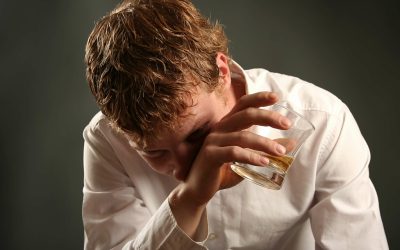
When blood vessels dilate, the thin walls of these vessels become even more delicate and vulnerable to rupture. This is why even minor bumps can cause blood vessels to burst, resulting in bruises. Chronic alcohol misuse has a negative effect on every system of the body. Something people might notice with ongoing, severe alcohol misuse is bruising from alcohol. Learn the answer, as well as how to get help with medication assisted treatment for alcohol use, below.
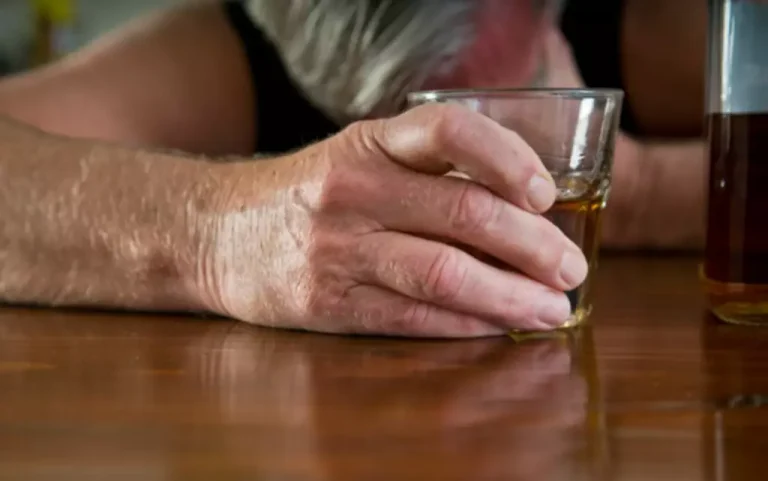
We also have the risk of alcohol-induced seizures, which are common during binge drinking. However, the person often can’t recall the events that happened during an alcoholic blackout, which can include bumps, falls, and accidents that may have caused bruises. Excessive drinking may also lead to an alcoholic blackout, a condition reached when the blood alcohol concentration (BAC) is over 0.16%. Beyond clinical practice, he’s an advocate for community awareness and early intervention in addiction prevention.
How the Advantages of Group Therapy Can Support Personal Growth and Connection
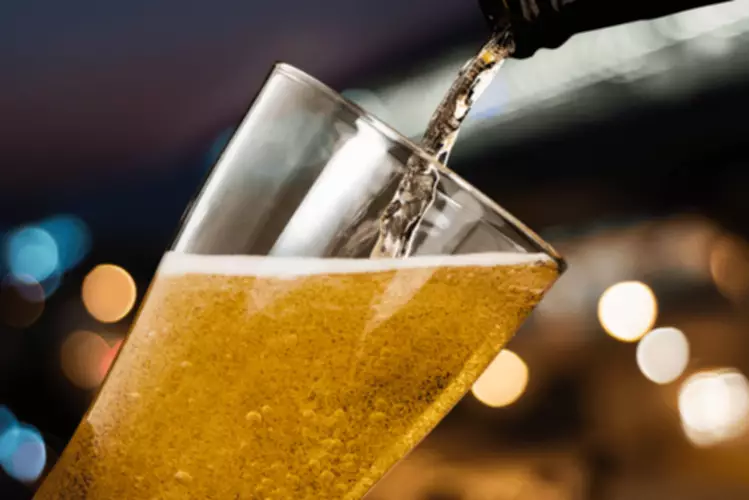
Alcohol can dilate blood vessels, leading to increased blood flow to the skin’s surface. This dilation can make blood vessels more susceptible to rupture, resulting in bruising. Additionally, alcohol can interfere with the body’s natural clotting mechanisms, further exacerbating the likelihood and severity of bruising. Alcoholism presents long-term health risks because the body’s defense systems cease to function normally. The body systems are an intricate network, so the breakdown of one or more systems has detrimental effects on the others. Even if you receive medical treatment, your body may not have the ability to heal.
Bruises: Symptoms, Causes, Diagnosis, Treatment, Remedies, Prevention Read More »




.jpg)
.jpg)
.jpg)


.jpg)
.jpg)


